Skip to content

Shopify Theme Development

A Shopify theme should do more than reproduce a design. It needs to turn approved storefront requirements into a frontend that works cleanly inside Shopify, behaves consistently across devices, and supports the experience the design was intended to create.

With Shopify theme development, we build the frontend layer around your design and functional requirements using Shopify’s native theme architecture. The result is a storefront that is reliable, maintainable, and built without unnecessary technical complexity.

Develop Your Storefront Inside Shopify’s Theme Architecture

The theme is where approved design and functionality become a working Shopify storefront. We implement layouts, interactions, and responsive behaviour so they work with real catalogue data and within Shopify’s theme system, rather than relying on fragile workarounds.

We translate those requirements into reusable frontend components and templates that behave consistently across the store. The goal is to match the intended design while keeping the implementation clear, stable, and practical to maintain.

Design requirements

Theme development

Working storefront

Custom Theme or Existing Theme? We Start With the Better Fit

A custom theme is not automatically the better solution. We first assess how far the required design and functionality go beyond what a strong existing theme can support, then choose the approach that gives the store enough flexibility without unnecessary development overhead.

Custom Theme Development

When the storefront has a distinctive design or functionality that would require constant workarounds in an existing theme, custom Shopify theme development from scratch can provide a cleaner foundation. We build the theme around those requirements from the start instead of forcing a pre-built structure beyond what it was designed to handle.

Existing Theme Customisation

When an existing theme already provides the right foundation, rebuilding everything may add cost and complexity without enough benefit. In those cases, we customise the theme where needed while preserving the parts of its architecture that already work well.

Theme Architecture Built for Real Storefront Requirements

A Shopify theme should be able to grow with the storefront instead of turning every new requirement into another one-off template or code change. We structure the frontend around reusable patterns so new content and merchandising needs can fit into the theme without making the implementation harder to maintain.

We build within Shopify’s Online Store 2.0 architecture, using Liquid, JSON templates, sections, and blocks as the foundation for a modular storefront. The emphasis is not on adding as many editable options as possible, but on creating a theme structure that stays clear for both the development team and the people managing the store.

Liquid, Sections, and Reusable Components

We use Liquid development to turn storefront requirements into reusable components rather than repeating the same implementation across multiple templates. Sections and blocks are organised around how the store actually uses its content, giving us enough flexibility to extend the theme without creating a collection of one-off solutions.

Dynamic Theme Content with Metafields

Not every product or page needs its own custom template just because the content is different. Theme components can be connected to Shopify metafields and metaobjects, allowing structured content to change with the product or page while the underlying component remains reusable and manageable from Shopify admin.

Give Your Team More Control After Development

A well-built Shopify theme should not leave the merchant dependent on a developer for every content change. We structure the theme so the team can manage the storefront through Shopify’s theme editor without touching Liquid or opening a development task for every update.

The important part is deciding where flexibility is actually useful. We expose the content and layout controls the team needs while keeping the editing experience clear enough to use confidently after handover.

Performance Starts in the Theme Layer

Storefront performance is influenced by decisions made while the theme is being built, not only by optimisation work after launch. We develop with Core Web Vitals in mind and avoid unnecessary frontend overhead that can delay useful content or make interactions feel less responsive, especially on mobile.

The aim is not to chase a guaranteed performance score, but to give the storefront a strong technical foundation without compromising the design or functionality it needs. Third-party apps and scripts can still add their own performance cost later, so the theme itself should avoid introducing unnecessary work from the start. Shopify’s current guidance treats LCP, CLS, and INP as core performance measures and specifically highlights Liquid execution, browser-side work, images, and third-party resources as factors that can affect them.

LCP

Largest Contentful Paint

CLS

Cumulative Layout Shift

INP

Interaction to Next Paint

Shopify Theme Work in Practice

Theme development is easiest to judge in the storefront itself. Our Shopify projects show how custom frontend requirements become working themes, with the design, interactions, and reusable components implemented inside Shopify’s native architecture.

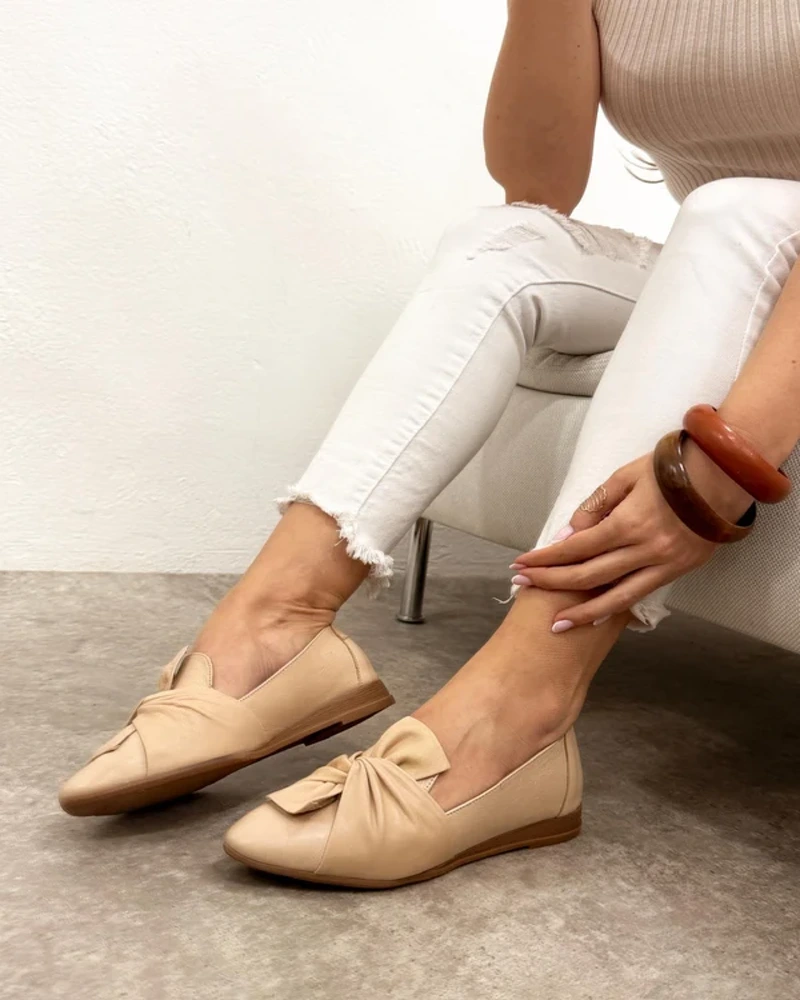
Hop Hop Shop — Shopify rebuild with international markets
FashionHop Hop Shop — Shopify rebuild with international markets

Full redesign and Shopify rebuild from scratch for a Serbian women's footwear brand — two storefronts on one theme, four languages, and native iOS and Android apps.

From scratchtheme rebuild
2storefronts, one theme
4languages
iOS + Androidnative apps
HFactor Water — Custom Shopify theme + subscription
Food and drinkHFactor Water — Custom Shopify theme + subscription

Custom Shopify theme and subscription model for a hydrogen-infused water brand with five flavours and bundle / subscription options.

+22%subscription rate
+18%mobile CR
+14%avg order value
5flavors live

Editiony — Invite-only luxury Shopify storefront
FashionEditiony — Invite-only luxury Shopify storefront

Invite-only Shopify storefront for a luxury limited-edition outerwear brand, with timed cart, color-shift design and appointment scheduling.

invite-onlyaccess model
+18%repeat visits
+14%session duration
100%custom theme

Bring Your Shopify Theme to Life

Whether you are working from an approved custom design or extending an existing theme, we can turn those requirements into a Shopify frontend that works cleanly inside Shopify from day one.

Shopify Theme Development Questions

(01)

Do we need a custom Shopify theme?

Not necessarily. A custom theme makes sense when the required design or functionality would force an existing theme into too many compromises. If a strong theme already provides the right foundation, customising it can be the simpler and more maintainable approach.

(02)

What if we also need the complete Shopify store built?

Theme development covers the storefront and frontend layer of the project. If you are building a complete Shopify store, the project may also involve the wider store setup and configuration beyond the theme itself.

(03)

How much does Shopify theme development cost?

Cost depends on the frontend scope and how much needs to be built specifically for the store. Customising an existing theme is typically a different level of work from developing a theme from scratch, so we scope the requirements before estimating the development effort.